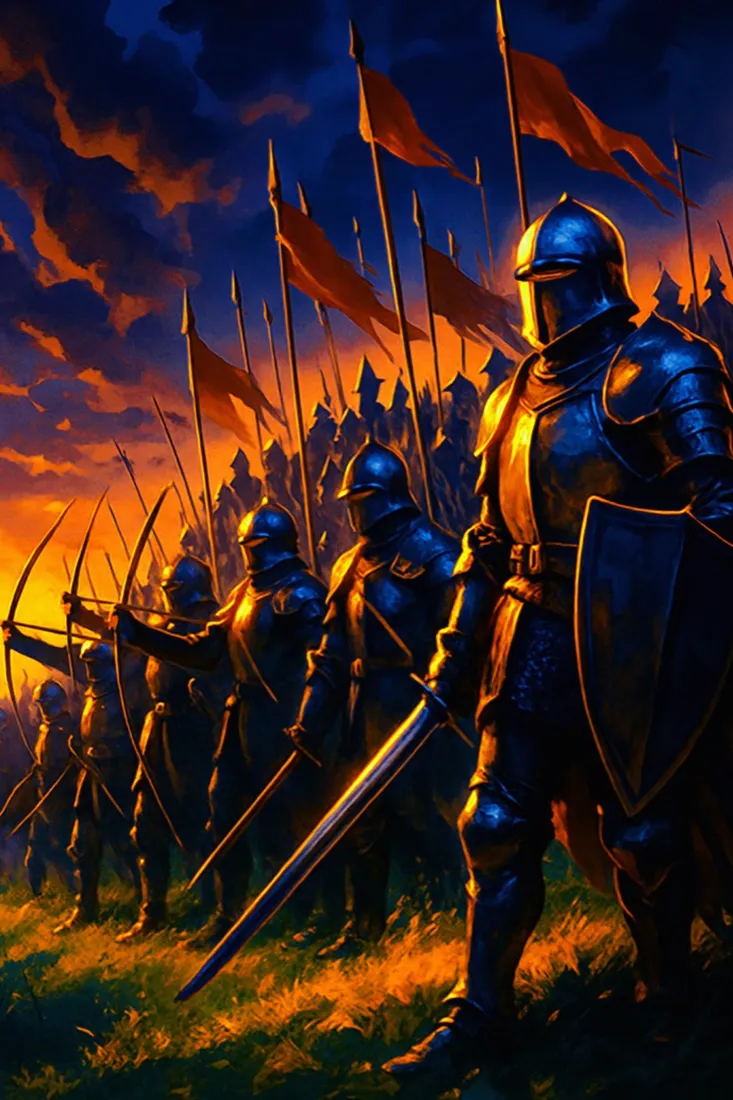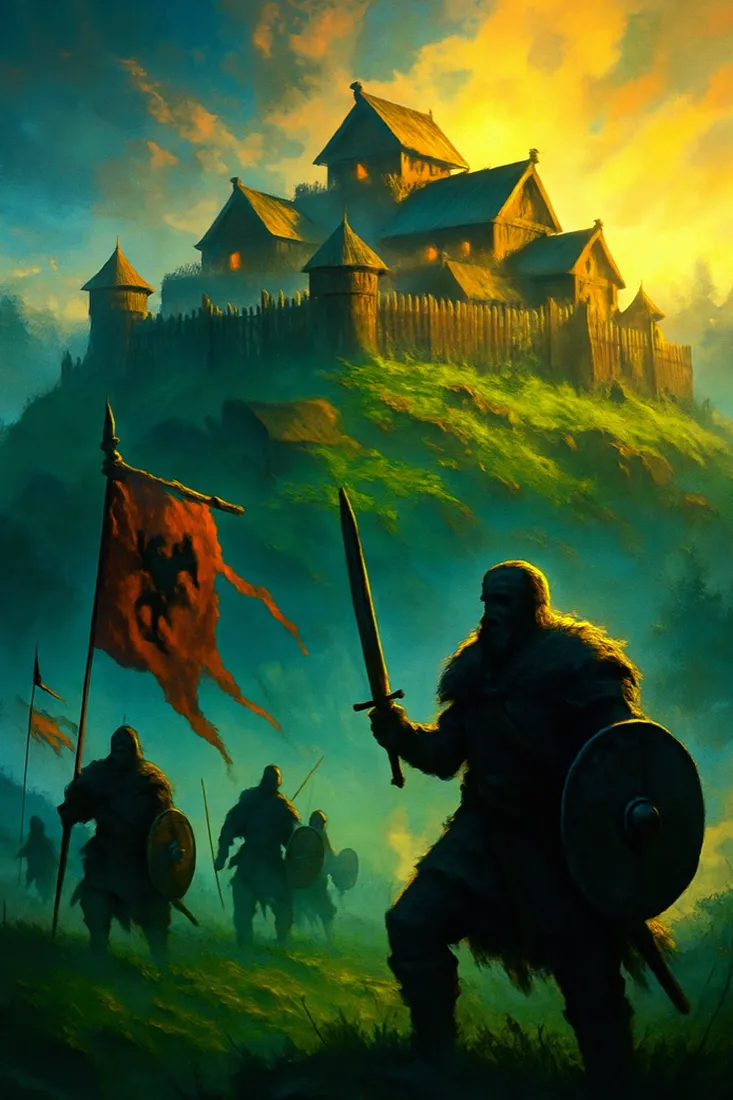
Tribal Wars looks old because it is old. InnoGames released it in 2003 as a text-heavy browser game, and an international version followed in 2006. The interface is a grid of numbers, a village overview and a world map dotted with settlements. None of that matters after the first week, because what Tribal Wars lacks in spectacle it repays in clarity. Every decision is legible, every report tells you exactly what happened, and every mistake is yours.
The pitch is simple: you control one small village in the Middle Ages and strive for power and glory alongside thousands of other players. What turns that into something special is the conquest mechanic. Villages are not destroyed, they are taken, and taking one requires timing, scouting and usually a tribe that trusts you. That makes Tribal Wars less a building game with fights attached and more a long negotiation conducted with armies.
One village, fifteen buildings and a long to-do list
Your village starts with a headquarters and grows through more than fifteen kinds of buildings, including barracks, stable, workshop, rally point, academy and a statue for your paladin. The early days are a balancing act between raising production, protecting your storage and getting your first troops trained. It is not complicated, but it is unforgiving of drift. A player who logs in twice a day with a plan will outgrow a player who logs in ten times without one.
The building queue is where Tribal Wars teaches patience. Upgrades take real time, and the times stretch as levels climb, so you learn to set long jobs before bed and short ones before work. By the end of the first fortnight we had a routine that felt almost meditative: check reports, refill the queue, send farming runs, answer tribe mail. That rhythm is the game's quiet strength, and it is why people keep a Tribal Wars village for years.
Why the nobleman is the best rule in the genre
Noblemen are trained at the academy and are expensive to produce. Send one with a successful attack and the target's loyalty drops by somewhere between twenty and thirty-five points out of a hundred. When loyalty reaches zero, the village changes hands. Because loyalty recovers over time, a takeover usually needs several noblemen landing close together, which means attacks have to be timed to the second and the defenders have a window to respond.
That single mechanic produces the drama the game is known for. Attackers plan trains of noble attacks behind a cleared path; defenders read incoming timers and stack support in the target village; tribes argue about whether a juicy village on the border is worth the noblemen it will cost. We have never felt as invested in a single settlement as we did watching loyalty tick down on a neighbour's village while three tribemates counted down the arrivals in chat.
Tribes, titles and the politics of a crowded map
Tribes are the semi-official groups that hold the game together, offering mutual protection and shared intelligence. Inside, members carry titles such as duke, baron, recruiter and diplomat, and a council handles the bigger decisions. On our review world, the tribe we joined had a member who did nothing but organize overnight defence across time zones, and another who spent every evening negotiating non-aggression pacts with neighbours. Both jobs mattered more than anyone's troop count.
Tribe size depends on the world settings, and that limit shapes everything. Strong tribes must choose members carefully, so new players who show up, post reports and send support get noticed quickly. If you prefer to play alone, Tribal Wars will let you, but it will not be kind to you. The map rewards cooperation so thoroughly that a well-run mid-sized tribe can hold off a bigger, lazier one for months.
Worlds, speed and where to plant your flag
Tribal Wars runs many separate worlds, each with its own settings: world speed, troop speed, which technologies exist and how a world is won. Some worlds move gently; speed rounds compress weeks of play into something far shorter and far more frantic. Before you register, read the world settings page. It will tell you more about the experience ahead than any marketing copy, and choosing the wrong speed is the most common reason new players burn out.
Our advice for a first world is a normal-speed English server opened in the last few days. You want company at your own level, and you want time to learn how attacks travel, since armies march at the speed of their slowest unit. The free path is generous here: the game describes itself as free to play without restrictions, with optional purchases, and in our experience organization beats spending on most worlds.
Tribal Wars: the first week of the siege
- Read the world settings page before registering, then pick a normal-speed world that opened within the last few days.
- Push resource production and storage early; troops can wait until your village can actually feed and house them.
- Join a tribe before beginner protection ends, and introduce yourself with your village coordinates and your usual hours online.
- Start farming nearby abandoned villages with light cavalry or spear fighters to keep resources flowing into the building queue.
- Plan an academy as your long-term goal, because noblemen are what turn a single village into a growing account.
What we love
- The nobleman and loyalty system makes every conquest a planned team operation.
- Battle reports are precise and teach you exactly what went right or wrong.
- Tribe titles and councils give social players real jobs to do.
- Separate worlds with published settings let you choose speed and difficulty.
What grates
- The interface is plain and asks you to enjoy numbers more than pictures.
- Wartime can demand responses at inconvenient hours, especially without tribe cover.
- Solo players are at a real disadvantage once the map fills up.
The lord Tribal Wars needs
Tribal Wars is for players who enjoy planning more than spectacle, who like the idea of a tribe that depends on them, and who are happy to trade flashy art for a ruleset where cleverness and cooperation decide nearly everything. If you have ever enjoyed a long board game with friends, this is its online cousin.
Tribal Wars: the last stand
Tribal Wars is the clearest expression of what a medieval empire game can be: one village, one map and a single brilliant rule about loyalty that turns every takeover into a story. It looks its age and asks for regular attention, but it treats free players fairly and rewards teamwork more richly than anything else on our shortlist. If you only try one game from this site, try this one.