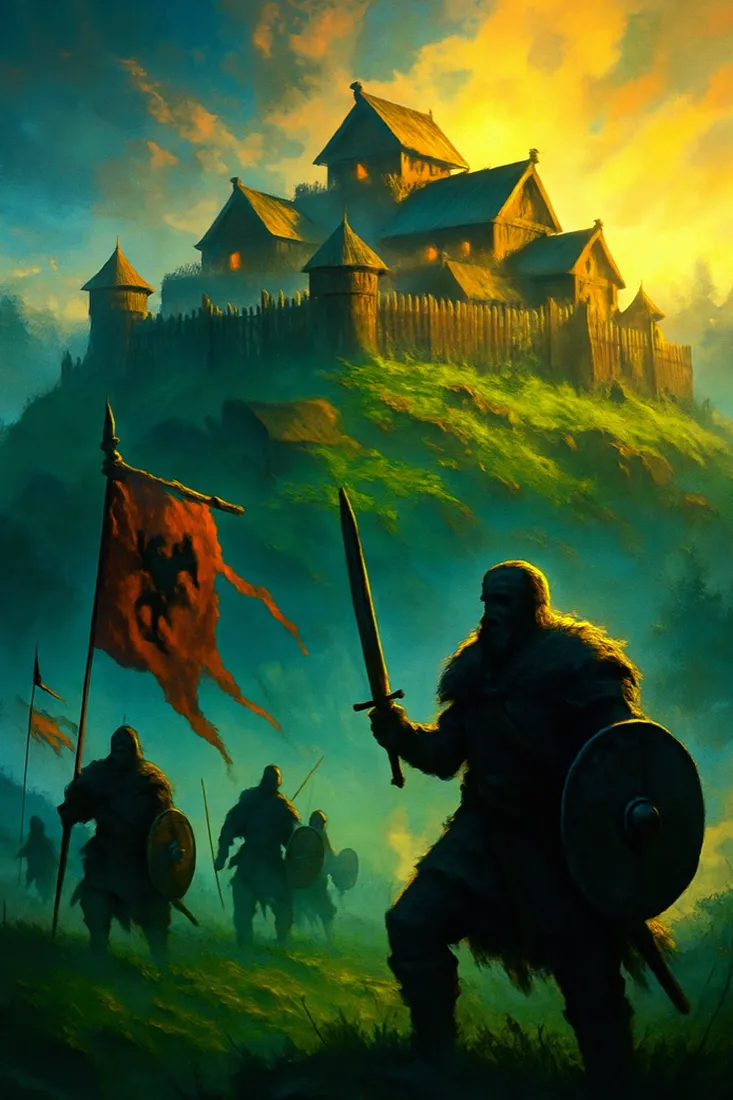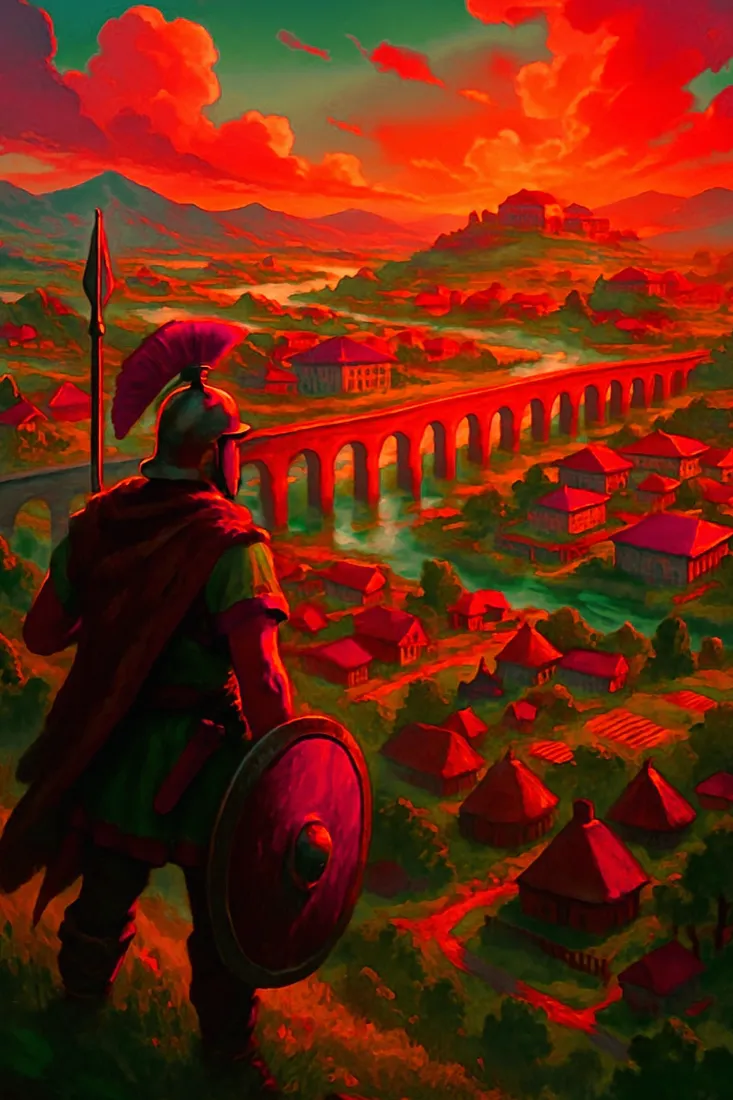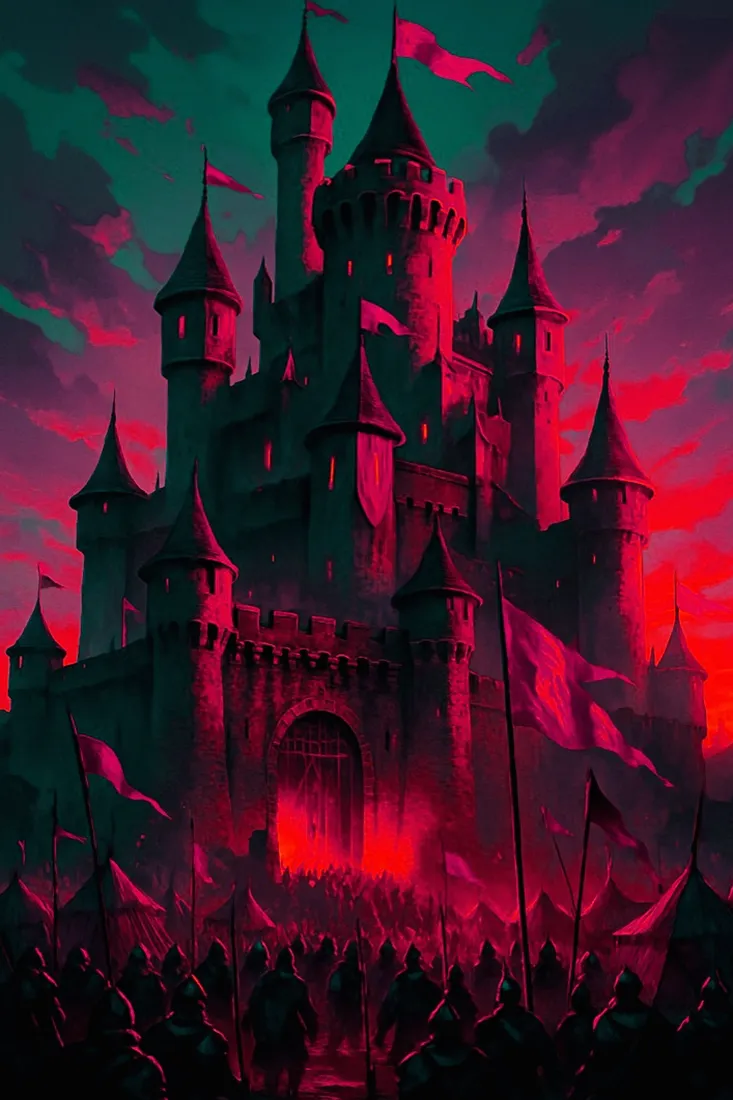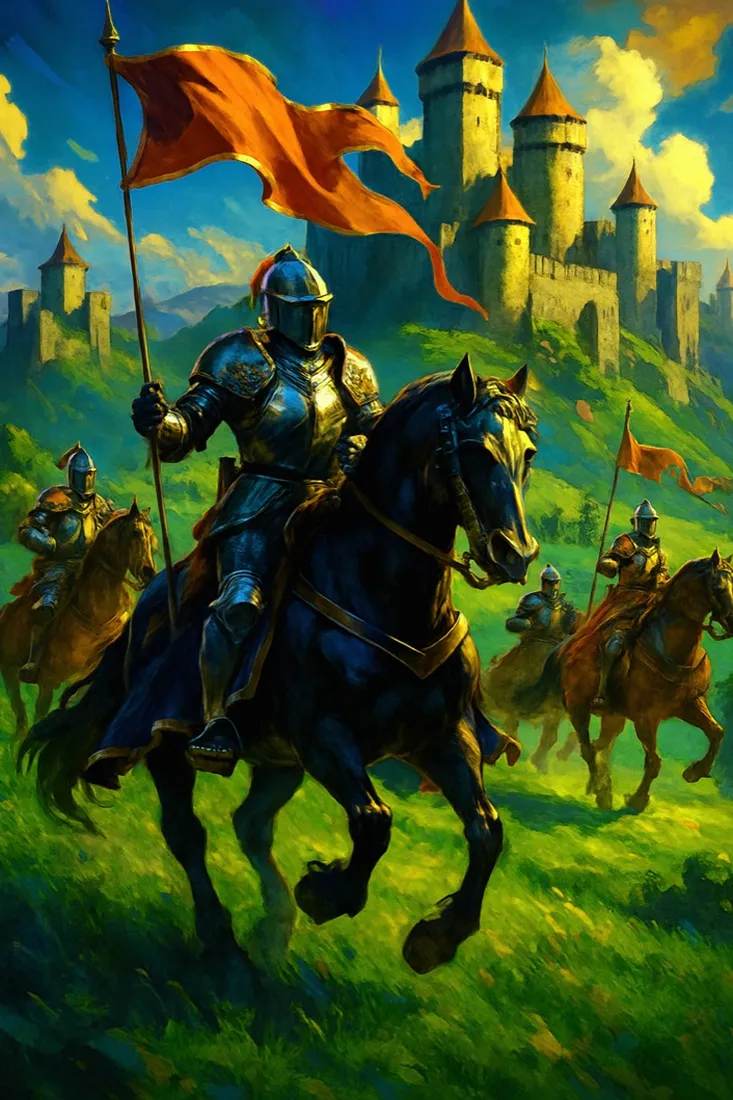
Travian Kingdoms keeps the bones of its older sibling: villages, resource fields, troops on the march and a Wonder of the World waiting at the end of the round. What it adds is a social structure. Every player chooses to be a king or a governor, and that one decision changes how you spend your evenings, who you depend on and what success looks like.
We came to it expecting a lighter Travian and found something closer to a cooperative board game. Kings draw borders on the map and defend everyone inside them. Governors build up their villages, upgrade them into cities and send tribute upwards in exchange for protection. When it works, a kingdom feels like a living thing, and the round has the shape of a story from first village to final Wonder.
Crown or ledger: choosing your role
Kings lead troops into battle, recruit and supply large armies and protect the territory of their kingdom. Their reward is influence and the tribute governors pay. Governors focus on growth: building, trading, upgrading villages into flourishing cities and supporting the crown with resources and troops. There are also vice kings and dukes, who share the work of a large kingdom, so ambitious governors have somewhere to climb.
The right choice depends on your schedule more than your ego. A king who disappears for a weekend leaves governors exposed, and kingdoms notice. A governor can play in short sessions and still matter, because their production and tribute are what keep the crown's armies fed. For a first round we recommend being a governor under an active king, learning how a kingdom breathes, and then claiming a crown of your own next time.
Gauls, Teutons and Romans, with clear advice
Travian Kingdoms offers three tribes, and the official site is unusually direct about who each is for. Gauls are described as very suitable for beginners, with strong defence and efficient cavalry. Teutons are aimed at active, warlike players, with strong attacks and affordable infantry. Romans suit experienced strategists, with very strong troops that are expensive and slow to train.
We agree with the advice. Our Gaul governor had the smoothest first month, rarely losing much to raids and always having spare resources for tribute. The Teuton on our team had more fun and more stress in equal measure. The Roman account felt powerful but punished every wasted hour. Having fewer tribes than Travian: Legends makes the choice easier, and the roles system already gives the game plenty of variety.
Robbers, treasures and the shape of a round
Robber camps sit across the map as computer-controlled targets, and raiding them is the main source of early resources and one way to gather treasures. Treasures matter because they feed a kingdom's standing and influence, and they make the middle of a round competitive in a way many village games are not. Every kingdom wants them, and moving them safely becomes a team effort.
Rounds last from a few weeks up to about six months, with distinct phases: beginner protection, settling villages, growing cities, preparing armies, contesting treasures and finally completing a Wonder of the World. Victory points decide the winner. The phases give each stretch of the round its own flavour, and a player who joins midway still has a recognizable role to step into. That structure is one of the best things about Travian Kingdoms.
Your hero, your kingdom and the free path
Each player has a hero whose skills you shape as the round goes on, and heroes are useful for raiding robbers and leading early fights. It is a small RPG layer, but it gives quieter accounts a sense of personal progress. Daily quests and community challenges add short goals, which helped our governor feel productive on days when the kingdom was simply growing.
The free path is fair. Gold speeds things up and smooths daily management, but the kingdom structure means a free governor with steady habits contributes as much as a paying one who logs in rarely. Our Ottawa reviewer ran an entire round as a governor on two check-ins a day, never bought anything, and finished as one of the most valued members of her kingdom. That is a strong endorsement of the design.
Travian Kingdoms: the first week of the siege
- Start as a governor in a kingdom whose king posts regularly; read the kingdom's messages before you settle.
- Pick Gauls for a first round, as the official advice suggests, so early raids hurt less while you learn.
- Raid nearby robber camps with your hero and early troops to keep resources flowing into your fields.
- Send tribute on time and talk to your king about what the kingdom needs most this week.
- Plan your second village early, because expansion is the main engine of growth before cities arrive.
What we love
- The king and governor split gives every player a meaningful, distinct job.
- Clear official advice on tribes makes the first choice less daunting.
- Treasures and victory points keep the middle of a round competitive.
- Phased rounds give the whole season a satisfying beginning, middle and end.
What grates
- An absent king can leave a whole kingdom exposed for days.
- Only three tribes feels thin next to Travian: Legends.
- Late phases demand far more coordination than early weeks suggest.
The lord Travian Kingdoms needs
Travian Kingdoms is for team players who like a role with responsibilities, whether that is defending a territory as king or quietly building an economic powerhouse as governor. It also suits anyone who wants a medieval strategy game with a real ending, rather than a world that runs forever.
Travian Kingdoms: the last stand
Travian Kingdoms takes the proven village-building engine and gives it a social spine. Kings and governors, tribute and treasures, phased rounds and a Wonder at the end: every piece pushes you towards cooperation, and every player has a reason to log in. It is fair to free players and kind to busy ones who choose the governor's ledger. For alliance life, it is the best game we tested.