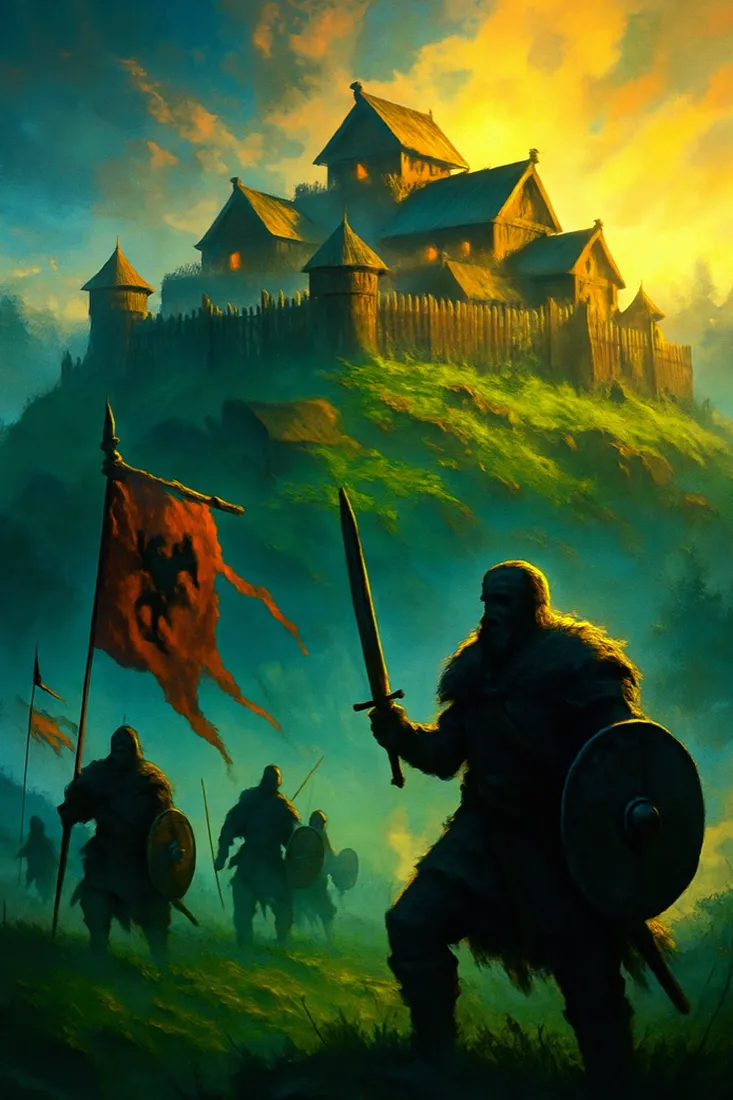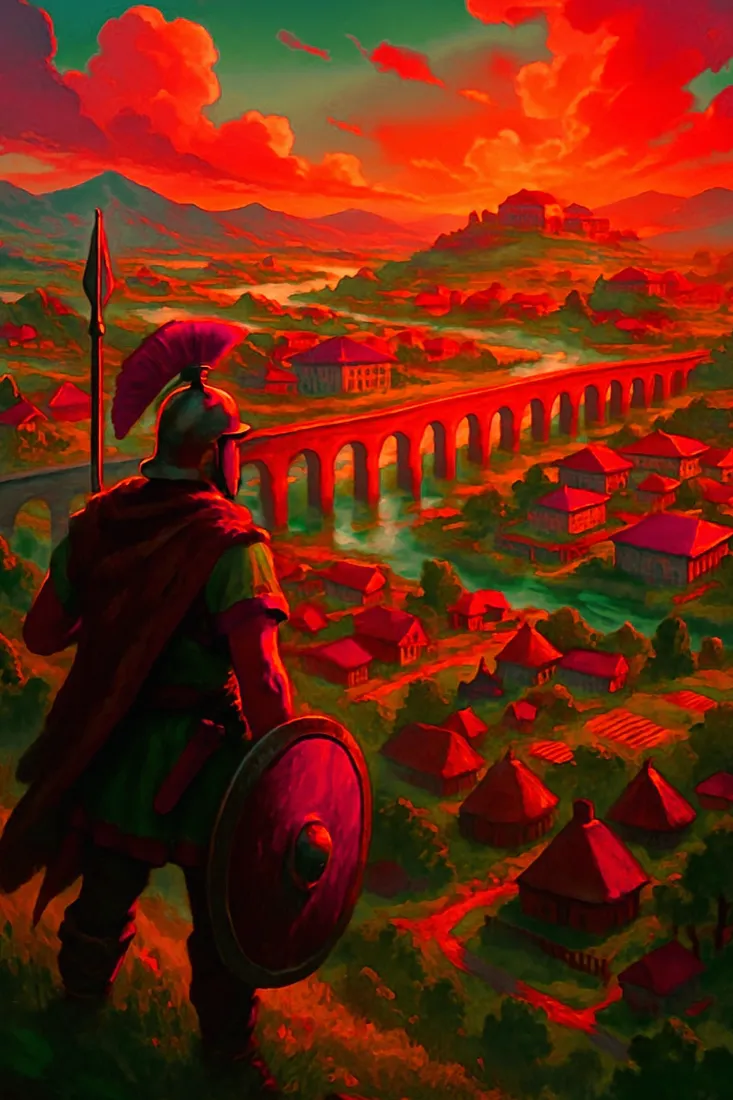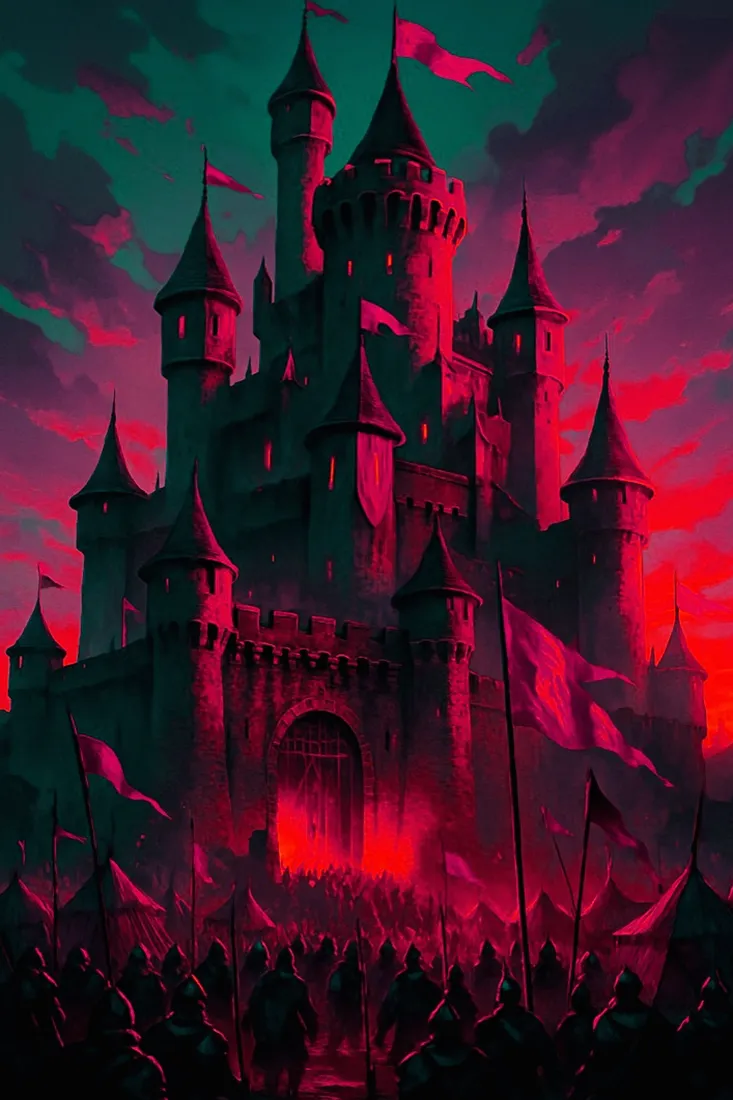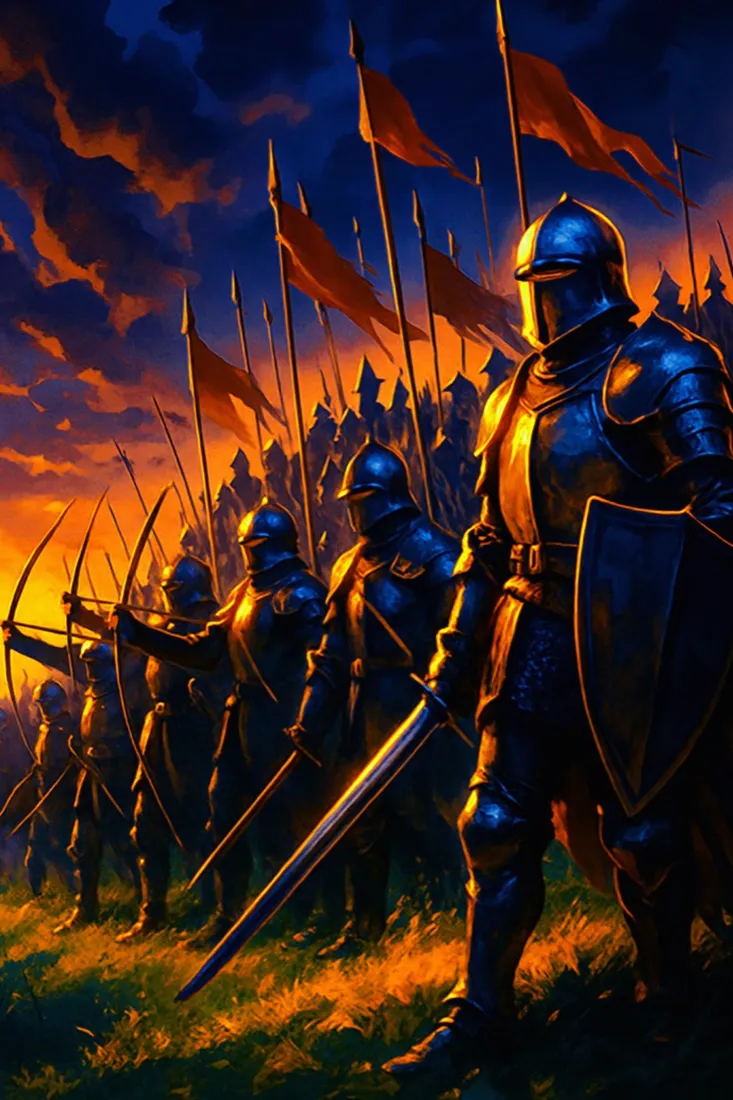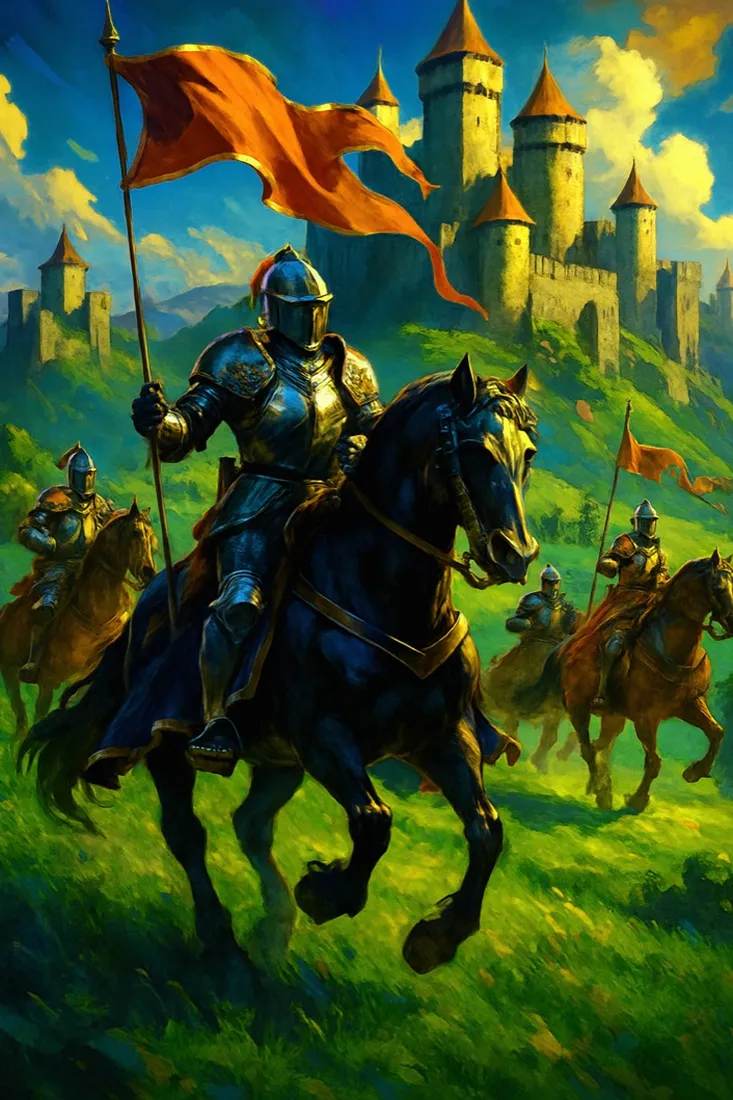
Lords & Knights comes from Xyrality GmbH, and it made its name on phones before many browser strategy games had a mobile version at all. The game's own site calls it a browser strategy game, and it runs on the browser, iOS and Android, but its design still carries that mobile origin: short menus, clear timers and actions that take seconds rather than minutes.
The premise is classic. You take control of one castle and its knights, and with the right strategy you expand your realm into an empire. Castles become fortresses, armies of infantry and cavalry march on rival lords, and alliances with hundreds of members plan campaigns across a large map that keeps moving in real time while you are at work.
A simple castle that grows into a fortress
Your starting castle is modest, and the early game is about upgrading its buildings in a sensible order: production first, storage close behind, then the military and research buildings that let you protect it. The official pitch is to improve your simple starting castle all the way to a powerful fortress, and that upgrade path is the backbone of the first months.
Resources come as wood, stone and ore, and you can trade one for another when your production runs unevenly. It is a lean economy compared with Goodgame Empire, and that is a deliberate choice. There is less to manage per castle, which matters enormously later on, when you are running several castles from a phone on a crowded GO train between Oakville and Union Station and need to refill every queue before your stop.
Knights, foot soldiers and wars measured in hours
Lords & Knights lets you recruit several kinds of medieval units, from foot soldiers to knights, and send them against other lords. Attacks travel across the map in real time, so a march might take hours, which gives defenders time to react and gives attackers time to second-guess themselves. Capturing castles is how empires grow, and losing one stings, so wars feel weighty without being frantic.
The real-time map is the game's quiet strength. Because so many players check in from phones, activity is spread across the day, and an alliance can coordinate a campaign through a series of short messages instead of one long evening session. We ran a small offensive over three days of lunch breaks, and it worked. That is not something we could have done in the more demanding village games.
Research, missions and the tavern's to-do list
Beyond building and fighting, you research new technologies that unlock units and improvements, and you send your people out on missions tracked from the tavern. Missions are a useful source of resources and a gentle way to keep a castle productive when you are not planning anything aggressive. They also give each check-in a small, satisfying task.
Research is where long-term planning lives. Choosing which technologies to prioritise affects what your castles can field and how quickly they can grow, and it is the main place where Lords & Knights asks you to think beyond the next few hours. It is not as layered as Travian's tribes or Tribal Wars' noblemen, but it gives the game more strategic texture than its tidy interface suggests.
Alliances of hundreds, and what the shop sells
Alliances are large: the game describes planning strategy and construction with hundreds of other players. You can found one or join an existing group, interact with other lords to plan attacks or defence, and send armies and resources to support allies. Big alliances can feel impersonal, so we recommend finding one with an active officer group and a clear chat culture before committing.
The game is free with optional purchases that speed things up and add convenience. We played our full review period without buying and never felt shut out, though paying players clearly grow faster in the early months. The bigger cost is attention rather than money: Lords & Knights works best when you check in several times a day, briefly. If that matches your life, it is a superb fit.
Lords & Knights: the first week of the siege
- Install the app as well as playing in the browser, so you can refill build queues during short breaks.
- Upgrade production and storage buildings first, and trade surplus resources rather than letting them sit idle.
- Send people out on missions from the tavern whenever a castle has nothing urgent to build.
- Join an alliance with active officers and read its rules before your castle draws attention from neighbours.
- Set a research plan for the next few weeks instead of picking technologies on a whim each day.
What we love
- Short, clear actions make it the easiest game here to play from a phone.
- A lean economy keeps multi-castle empires manageable.
- Real-time marches give defenders time to react and plan.
- Missions keep quiet castles productive between campaigns.
What grates
- Very large alliances can feel anonymous without strong officers.
- Browser sessions feel less rich than the mobile-first menus.
- Early growth for paying players is noticeably quicker.
The lord Lords & Knights needs
Lords & Knights is for people with busy lives who still want a real medieval war game: commuters, parents, shift workers, anyone who can spare a few minutes several times a day but rarely an hour at a desk. It also suits players who enjoy being part of a very large alliance.
Lords & Knights: the last stand
Lords & Knights proves that a castle war game does not need long evenings to be absorbing. Its lean economy, real-time marches, research and missions add up to a rhythm that fits around a working day better than anything else we tested. It lacks the strategic signature of Tribal Wars or the tribe variety of Travian, but for play on the go it is the clear choice.