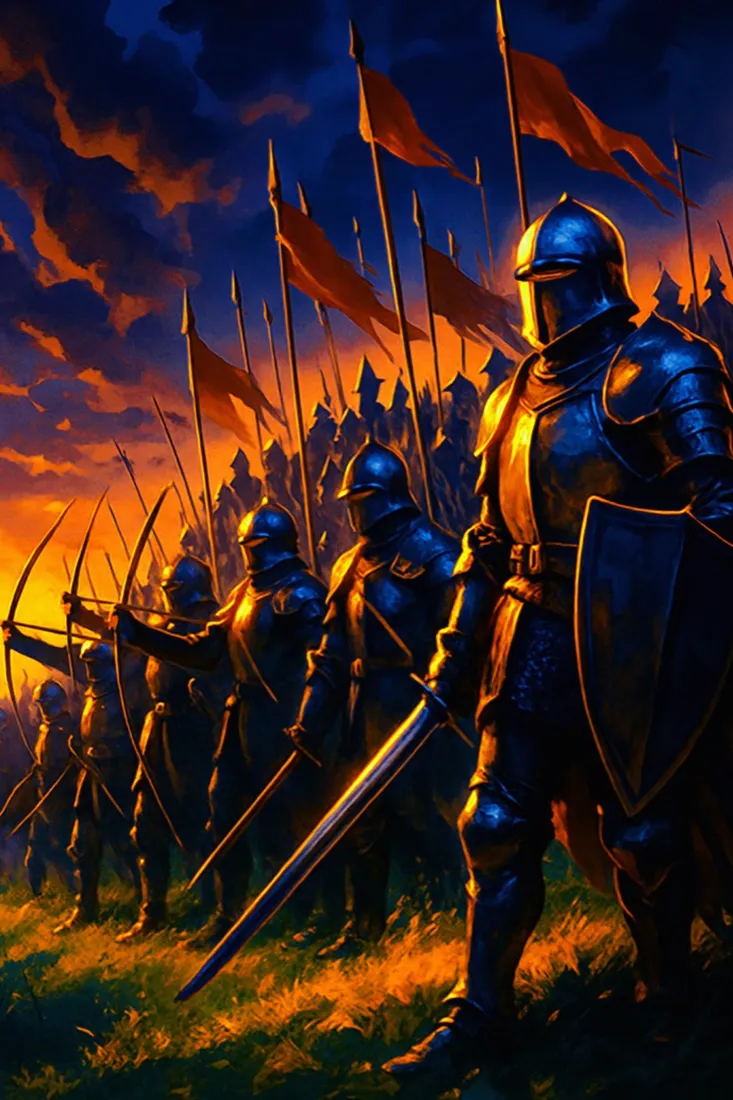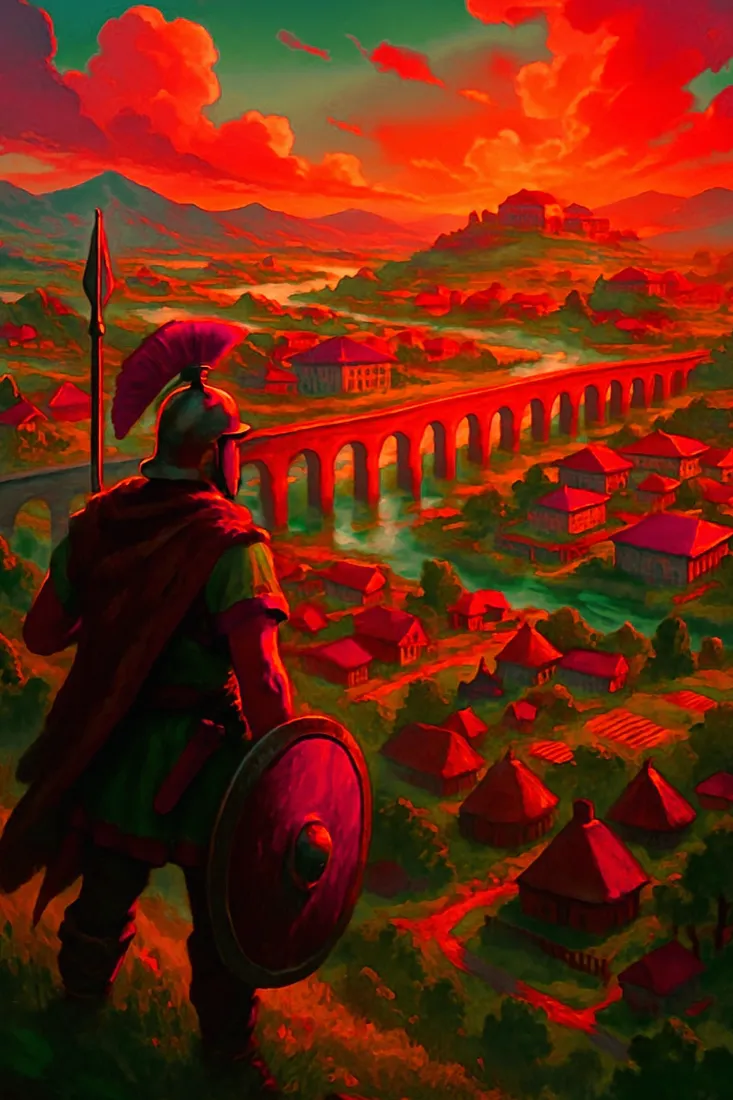
Travian launched in June 2004, and a remarkable number of the games that followed borrowed its shape: resource fields around a village centre, building queues, troops that march in real time across a shared map. Playing it today is a little like visiting the source of a river. The current version, Travian: Legends, has a cleaner interface, mobile apps and a wider set of tribes, but the heart of it is the same careful economic engine.
What sets Travian apart is that it has an ending. A standard round builds slowly towards an endgame in which alliances race to raise a Wonder of the World to level one hundred while computer-controlled Natars defend the centre of the map. Knowing the finish line exists changes how you play from day one. You are not just growing; you are positioning yourself to be useful to your alliance when it counts.
Six tribes and the choice you cannot undo
Travian: Legends offers six playable tribes: Romans, Gauls, Teutons, Huns, Egyptians and Spartans. Romans can construct in the village and its fields at the same time, Gauls are quick and defensive, Teutons field cheap aggressive infantry, Huns lean on cavalry, Egyptians favour economy and defence, and Spartans bring heavy-hitting foot soldiers. The choice locks in for the round, and it decides what kind of teammate you will be.
For a first round we suggest Gauls or Romans. Gauls forgive mistakes because their defence and speed buy you time, while Romans reward the organized player who loves a full queue. Teutons are tremendous fun if you enjoy raiding neighbours, but they also make you a magnet for retaliation. Whatever you pick, read the alliance's needs first. A team short on defenders will value a Gaul far more than a fourth raider.
Wood, clay, iron and the crop that feeds it all
Four resources drive everything: wood, clay, iron and crop. Fields around your village produce them, upgrades raise the output, and capturing oases nearby adds a bonus. Crop is the one that catches newcomers out, because troops eat it. A big army with a weak granary will starve, and a village that overbuilds soldiers can find its production collapsing. Travian's economy punishes greed in a way that feels fair once you understand it.
Inside the village centre, twenty-two building plots hold your warehouse, granary, barracks, stable, academy and the rest, and deciding what earns a plot is a real puzzle by the time you found a second or third village. We spent more time in the marketplace than in any other building, trading surplus clay for iron with alliance members. That cooperative trading is where Travian clicks: the economy is personal, but it is never private.
Alliances built for the long march
Alliances share combat reports, coordinate defence and pool resources, and they are capped in size, so the biggest groups split into separate wings that still work together. That structure produces a surprisingly professional culture. Our alliance had a leader for diplomacy, another for defence and one player whose entire job was organizing resource pushes to the members who needed them most. It felt less like a guild and more like a small company.
The endgame is where alliance work becomes unmissable. Construction plans for the Wonders appear late in the round, the Natars hold the centre, and the whole alliance must feed one Wonder village while defending it from everyone else. Our Calgary member said it was the most stressful thing she had done in a game, then signed up for the next round within a week. That is Travian in one anecdote.
Gold, speed and how a free player keeps up
Travian's premium currency is gold, which buys faster construction, production boosts and convenience features such as advanced attack lists. Paying players can grow faster, and in the first weeks it shows. Over a full round the gap narrows, because the decisive moments depend on coordination, timing and the alliance's combined economy rather than any one player's shortcuts.
Where the free path hurts is daily rhythm. Without the conveniences, managing several villages takes more clicks and more check-ins, and the endgame can feel relentless. We score Travian lower on daily rhythm for exactly that reason. If you can commit a few short sessions every day for months, it is one of the most rewarding strategy games anywhere; if your schedule is unpredictable, a lighter game on this list will treat you better.
Travian: the first week of the siege
- Pick Gauls or Romans for a first round, and choose a quadrant where friends or an active alliance are already settling.
- Raise all resource fields evenly to the early levels before chasing a large army, and keep the granary ahead of demand.
- Complete the tutorial quests, which pay out useful resources and explain the interface faster than reading the help pages.
- Apply to an alliance with a short note about your tribe, your hours and whether you prefer offence, defence or supply.
- Scout nearby oases and start planning where your second village will go, because expansion timing shapes the whole round.
What we love
- Six tribes with genuinely different strengths make every round feel fresh.
- Crop upkeep turns army size into a real economic decision.
- A clear endgame around the Wonder of the World gives months of play a purpose.
- Alliance trading and supply chains make quieter players essential.
What grates
- Managing several villages without premium conveniences takes many clicks every day.
- The endgame weeks ask for more attention than many schedules allow.
- Early purchases give paying neighbours a visible head start.
The lord Travian needs
Travian is for the planner who enjoys economic puzzles, values a defined finish line and wants to be one dependable part of a large, organized alliance. If you like the idea of six months of quiet preparation followed by a few frantic weeks of all-hands effort, nothing else delivers that arc as well.
Travian: the last stand
Travian: Legends remains the deepest economic strategy game on our list, with six distinct tribes, a crop-based upkeep system that keeps armies honest and an endgame that gives every round a climax. It asks for daily discipline and rewards it handsomely. Free players can matter, especially inside a well-run alliance, but this is a commitment, not a pastime. Choose it when you are ready for the long march.